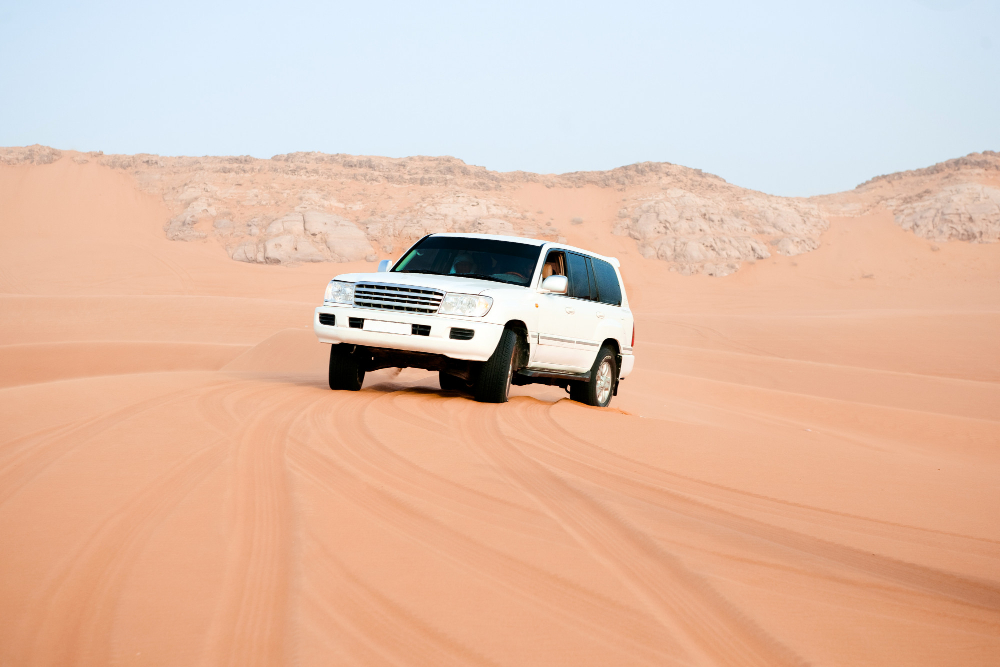
If you’ve ever opened your car door in Dubai or Abu Dhabi after it’s been parked in the sun, you already know how brutal the heat can be. The steering wheel is almost too hot to touch, the air inside feels trapped, and even a short drive becomes uncomfortable until the AC catches up.
This is where window tinting starts to make sense. Not as a styling choice, but as a practical upgrade that changes how your car feels every single day. Still, in the UAE, tinting isn’t something you can do freely. There are clear rules, and understanding them properly makes the difference between a smart upgrade and an unnecessary fine.
This guide breaks everything down in a simple, real-world way—so you know what’s allowed, what actually works, and how to make the right choice.
What VLT Really Means (And Why It Matters)
Before choosing any tint, you’ll come across the term VLT—short for Visual Light Transmission. It sounds technical, but the idea is straightforward: it tells you how much light passes through your windows.
A 50% VLT means that half of the outside light still enters the car. The remaining half is blocked by the tint. As the number goes lower, the glass becomes darker.
Many drivers assume that 50% is already very dark, but in reality, it’s a balanced level. You still have good visibility from the inside, especially at night, while gaining noticeable protection from sunlight.
Understanding this detail is important, because UAE regulations are based exactly on this percentage.
Legal Tint Limits in the UAE
For private vehicles in the UAE, the law allows window tinting up to 50% VLT on side and rear windows. This limit has been set to balance comfort and road safety, allowing drivers to reduce heat and glare without compromising visibility.
The front windshield is a different story. In most cases, it must remain clear, except for a narrow strip at the top that helps block direct sunlight. Fully tinting the windshield is not permitted under standard rules, even if the rest of the car complies.
This is one of the areas where drivers often make mistakes, especially when going for a uniform look across all windows.
Factory Tint vs. Aftermarket Film
A detail that’s easy to overlook is that many cars already come with factory-tinted glass. It might not be obvious at first glance, but it still counts when calculating the total tint level.
If you apply an additional film on top, the combined result becomes darker than expected. This is where things can go wrong. A film labeled as “50%” doesn’t guarantee you stay within legal limits if your glass is already slightly tinted.
Experienced tinting shops usually measure your current VLT before recommending a film. It’s a small step, but it can save you from problems later.
What Happens If You Exceed the Limit
Going darker than allowed might seem like a small detail, but enforcement in the UAE is quite strict.
If your tint exceeds the legal threshold, you can expect a fine of around 500 AED. In some situations, the vehicle can also be confiscated for up to 30 days. On top of that, you’ll likely need to remove the tint and redo the work.
Beyond the legal aspect, very dark tint can reduce visibility at night or in underground parking areas, which can make everyday driving less comfortable rather than better.
Why Tinting Makes a Big Difference in Daily Driving
In many parts of the world, window tinting is mostly about appearance. In the UAE, it quickly becomes part of how you deal with the climate.
A properly tinted car heats up slower when parked outside. The interior stays more manageable, and the AC doesn’t have to work as hard to cool things down. Over time, this also helps protect materials like leather, plastics, and dashboard surfaces from sun damage.
There’s also a noticeable reduction in glare, especially during long drives under strong sunlight. It’s one of those upgrades that you don’t fully appreciate until you experience the difference day after day.
Choosing the Right Tint Film
Not all window films behave the same, even if they look similar once installed.
Basic dyed films are usually the most affordable option. They improve privacy and reduce glare, but they don’t do much in terms of heat rejection. Over time, they can also fade or lose their appearance.
Carbon films offer a better balance. They don’t interfere with signals and provide improved heat reduction, making them a more reliable mid-range option.
Ceramic films sit at the top of the range. They are designed to block a significant amount of heat and UV radiation, even at lighter shades like the legal 50%. This means you don’t need to go darker to feel a real difference inside the car.
In the UAE, many drivers prefer ceramic tint for this exact reason—it performs well without pushing you outside legal limits.
Are There Any Exceptions to the Rules?
There are a few situations where different tint levels may be allowed, but they are not common.
Some drivers with medical conditions can request approval for darker tint. Certain official or security vehicles may also follow different standards.
For most drivers, however, the 50% rule is the one that applies. It’s best to plan your tinting setup around this limit from the start.
Installation Quality Can Make or Break the Result
Even the best film won’t look right if it’s poorly installed.
You’ve probably seen cars where the tint has bubbles, peeling edges, or uneven shading. These issues usually come from rushed work or low-quality workshops.
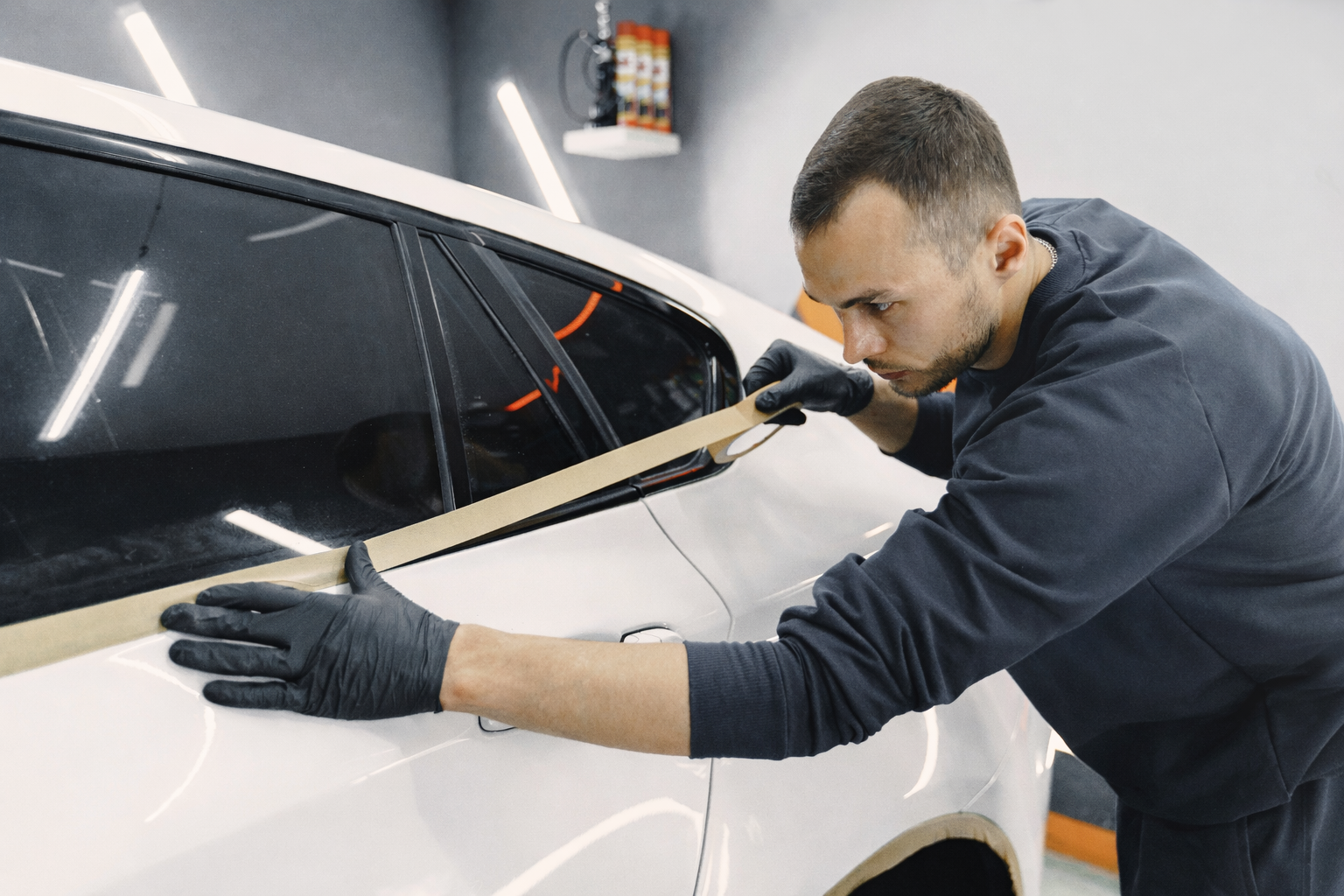
A proper installation takes place in a controlled environment, with careful cutting and alignment for each window. It’s a detail that often gets overlooked, but it has a big impact on how the tint looks and how long it lasts.
How Long Does Window Tint Last in UAE Conditions
The lifespan of window tint depends heavily on quality and exposure.
In the UAE, constant sunlight can wear down cheaper films quite quickly. Lower-end options may start fading or peeling within a couple of years. Higher-quality films, especially carbon or ceramic, can last significantly longer while maintaining their performance.
In practice, this means spending a bit more upfront often leads to fewer problems later.
Simple Maintenance Tips That Actually Help
Once your tint is installed, keeping it in good condition doesn’t require much effort, but a few habits make a difference.
It’s best to avoid cleaning the windows for a few days after installation, giving the film time to settle properly. When cleaning, using a soft cloth and mild products helps prevent scratches or damage.
Parking in shaded areas when possible also reduces long-term wear, especially during the hottest months.
Final Thoughts
Window tinting in the UAE is one of those upgrades that quickly becomes part of your daily comfort. It changes how your car feels in the heat, reduces glare during long drives, and helps protect the interior over time.
The key is doing it right from the start. Staying within the legal 50% limit keeps you out of trouble, while choosing a higher-quality film ensures you actually benefit from the upgrade.
In the end, it’s not about going as dark as possible. It’s about finding a setup that works in real conditions—one that keeps your car cooler, more comfortable, and fully compliant with local laws.
FAQ: Window Tinting in the UAE
What is the maximum legal tint in the UAE?
Private vehicles are allowed up to 50% tint on side and rear windows.
Can I tint my front windshield?
No, full windshield tinting is not allowed. Only a small strip at the top is permitted.
Do factory-tinted windows count toward the limit?
Yes, any existing tint is included in the total VLT calculation.
Is darker tint always better for heat reduction?
Not necessarily. Higher-quality films can block more heat even at lighter shades.
What happens if my tint is too dark?
You may receive a fine of around 500 AED, and in some cases your car can be confiscated.
How long does window tint last in the UAE?
Depending on the quality, it can last anywhere from a few years to close to a decade.
Can I get special permission for darker tint?
Only in certain cases, such as medical conditions, and it requires official approval.