When you open the hood, the engine might look like a single compact unit. In reality, it’s a carefully engineered system where multiple components work together in perfect timing. If even one of them starts to fail, performance drops quickly—and in some cases, the car won’t run at all.
Whether you’re driving through city traffic in Dubai or covering long distances across the UAE, having a basic understanding of how an engine works can save you time, money, and unnecessary stress.
Let’s go through the main components and how they actually function together.
The Engine Block – The Foundation of Everything
At the center of the engine sits the engine block. This is the structure that holds everything together and gives the engine its shape. Most blocks are made from aluminum or cast iron, depending on the balance between weight and durability that the manufacturer is aiming for.
Inside the block are the cylinders, where combustion takes place, along with channels that allow oil and coolant to circulate. These fluids are constantly moving through the engine to keep temperatures under control and reduce wear between moving parts.
Engines come in different configurations—inline, V-shaped, or flat—and can have anywhere from three to eight cylinders in most passenger vehicles.
Pistons – Where Energy Is Created
Pistons move up and down inside the cylinders at very high speed. Their role is to compress the air-fuel mixture and transfer the force generated by combustion.
Each piston is fitted with rings that seal the combustion chamber and help maintain pressure. At the same time, they keep oil out of the combustion area and reduce friction against the cylinder walls.
Even at moderate speeds, pistons are constantly in motion, repeating the same cycle thousands of times every minute. This repetitive movement is what drives the entire engine process forward.
Crankshaft – Turning Motion into Rotation
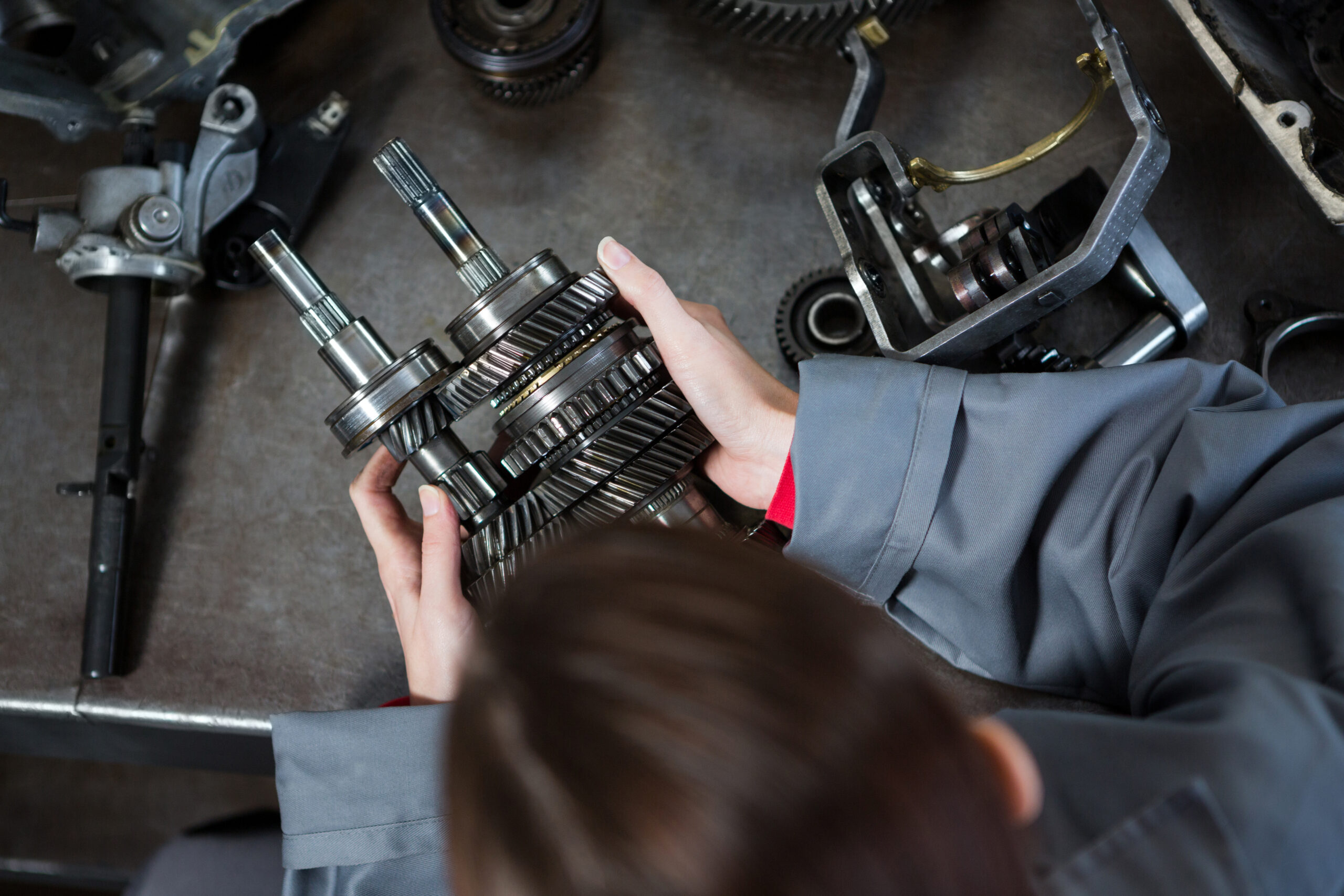
The crankshaft sits in the lower part of the engine and is directly connected to the pistons through connecting rods. As the pistons move up and down, the crankshaft converts that motion into a smooth rotational movement.
This rotation is what ultimately gets transferred through the transmission to the wheels. Without the crankshaft, the energy created inside the cylinders wouldn’t be usable.
Because it operates under constant stress, the crankshaft needs to be perfectly balanced. Any irregularity can lead to vibrations, noise, and long-term mechanical issues.
Camshaft – Managing the Engine’s Timing
While the crankshaft deals with motion, the camshaft controls timing. It ensures that valves open and close at exactly the right moments during the combustion cycle.
Modern engines usually place the camshaft in the cylinder head, in configurations known as SOHC or DOHC. These setups allow for better airflow, improved efficiency, and smoother performance.
The accuracy of the camshaft’s timing is critical. Even a slight deviation can affect how the engine runs.
Cylinder Head – Where Airflow Is Controlled
Mounted on top of the engine block, the cylinder head is one of the most complex parts of the engine. It houses components that manage airflow and combustion, including valves, springs, and, in many cases, the camshaft itself.
It also contains the spark plugs in petrol engines, which ignite the air-fuel mixture.
Between the cylinder head and the engine block sits the head gasket. This small but crucial component seals everything tightly, preventing leaks between oil, coolant, and combustion gases. When it fails, the engine can overheat quickly and suffer serious damage.
Valves – Regulating Intake and Exhaust
Valves are responsible for controlling what enters and exits the combustion chamber. Intake valves allow the air-fuel mixture in, while exhaust valves release the burnt gases after combustion.
They operate in perfect synchronization with the camshaft. If that timing is off, even slightly, the engine can lose efficiency or start running unevenly.
Timing Belt or Chain – Keeping Everything Aligned
The timing belt or timing chain connects the crankshaft and camshaft, ensuring they move in sync. This synchronization allows the engine to perform each stage of the combustion cycle at the right moment.
Timing belts are quieter and lighter but need to be replaced at regular intervals. Timing chains are more durable, but they can stretch over time.
If this system fails, especially in interference engines, internal components can collide, leading to costly repairs.
Oil Pan – Supporting the Entire System
At the bottom of the engine sits the oil pan, which stores the engine oil when it’s not circulating. As the engine runs, oil is continuously pumped through internal components, reducing friction and helping manage heat.
Without proper lubrication, metal parts would grind against each other, leading to rapid wear and eventual failure. This becomes even more important in hot climates, where engines operate under higher thermal stress.
How It All Comes Together
All these components operate in a continuous cycle that repeats thousands of times per minute. Air and fuel enter the cylinder, the piston compresses the mixture, combustion occurs, and the resulting force pushes the piston down. The crankshaft converts this motion into rotation, and exhaust gases are expelled before the process begins again.
It’s a constant, precise sequence where timing and coordination matter more than anything else.
FAQ – Car Engine Components
What is the most important part of a car engine?
There isn’t a single most important part. The engine block, pistons, crankshaft, and camshaft all depend on each other. If one fails, the entire system is affected.
How can I tell if something is wrong inside the engine?
Unusual noises, loss of power, overheating, or increased fuel consumption are common signs. Warning lights on the dashboard should never be ignored.
How often should engine components be replaced?
Some parts, like timing belts, require periodic replacement. Others, such as pistons or crankshafts, are designed to last the lifetime of the engine unless something goes wrong.
What happens if the timing belt breaks?
In many engines, this can cause internal damage because components lose synchronization. Valves and pistons may collide, leading to expensive repairs.
Are used engine parts a good option?
They can be, especially if they come from reliable sources. Many used parts offer good performance at a lower cost compared to new ones.
Why is engine oil so important?
Engine oil keeps internal components moving smoothly and helps control temperature. Without it, the engine would overheat and wear out much faster.