Symptoms, Causes, and What a Replacement Costs (Used vs New)
In the UAE, car air conditioning isn’t a “nice-to-have”. It’s the difference between a comfortable drive and a cabin that feels unbearable after a few minutes in the sun. That’s why, when the AC starts blowing warm air or the cooling becomes weak, most drivers immediately ask the same question: is it the AC compressor?
Often, yes. Not always — but the compressor is one of the most common failure points, especially in a hot climate with heavy traffic and constant AC usage.
This guide explains, in plain language, what the AC compressor does, how to recognize compressor-related problems, what usually causes failures in UAE conditions, and how much you can expect to pay for a replacement — including realistic examples for popular models.
How the car AC system works (quick, simple)
Your AC system moves refrigerant through a closed circuit. Inside the cabin, the refrigerant absorbs heat, then releases that heat outside the car. The part that keeps the refrigerant moving and pressurized is the AC compressor.
If the compressor cannot compress and circulate refrigerant properly, cooling performance drops fast. In many cases, you’ll still feel air coming from the vents, but it won’t be cold — or it will be cold for a short time and then fade.
What the AC compressor actually does
The compressor is driven by the engine (usually by a belt). When the AC is turned on, a clutch engages and the compressor starts working. It takes low-pressure refrigerant and compresses it into high pressure, sending it toward the condenser.
In normal driving, the compressor cycles on and off depending on temperature, pressure, and load. In the UAE, because AC is used constantly, that cycling happens a lot — and wear adds up.
AC not cooling in UAE: compressor symptoms people notice first
Weak cooling (especially at idle or in traffic)
One of the classic signs is cooling that feels “okay” while driving, but gets weak when you stop. In traffic, the system runs hotter and pressures rise. If the compressor is tired, it struggles more under load.
Warm air instead of cold air
If the air stays warm no matter what you set (even with the fan working normally), you might have low refrigerant, a leak, or a compressor issue. The key is: warm air + no other obvious cause often points toward compressor performance.
Strange noise when the AC is switched on
A worn compressor can sound like rattling, grinding, or a metallic “clack” when the clutch engages. Sometimes it’s the compressor bearing, sometimes internal wear. Either way, noise is a warning sign in UAE conditions — because if a compressor seizes, it can damage the belt system too.
Compressor clutch not engaging
If the clutch never engages when you press AC, the reason might be electrical, low refrigerant (pressure protection), or compressor failure. A simple diagnostic can isolate this quickly.
Oily residue or visible leak around AC components
Refrigerant leaks often carry oil with them. If you see oily marks near compressor lines or fittings, the system may be leaking — and low refrigerant can cause compressor damage over time.
What causes compressor failure (and why UAE heat makes it worse)
A compressor can fail from simple wear, but UAE driving conditions amplify the risk.
Heat increases system pressure. In summer, the AC works harder and longer, often at high pressure. Add stop-and-go traffic and the compressor runs under heavy load. Over time, internal seals and bearings wear out.
Another common cause is poor lubrication. Compressor oil circulates with refrigerant. If refrigerant leaks and the system runs low, lubrication drops. That’s when internal scoring and mechanical damage can start.
Finally, debris in the system can also hurt the compressor. When parts wear, tiny particles can circulate and create blockages or extra strain.
Before you replace the compressor: what to check first
A lot of people replace the compressor too fast. In reality, some “compressor symptoms” are caused by other issues.
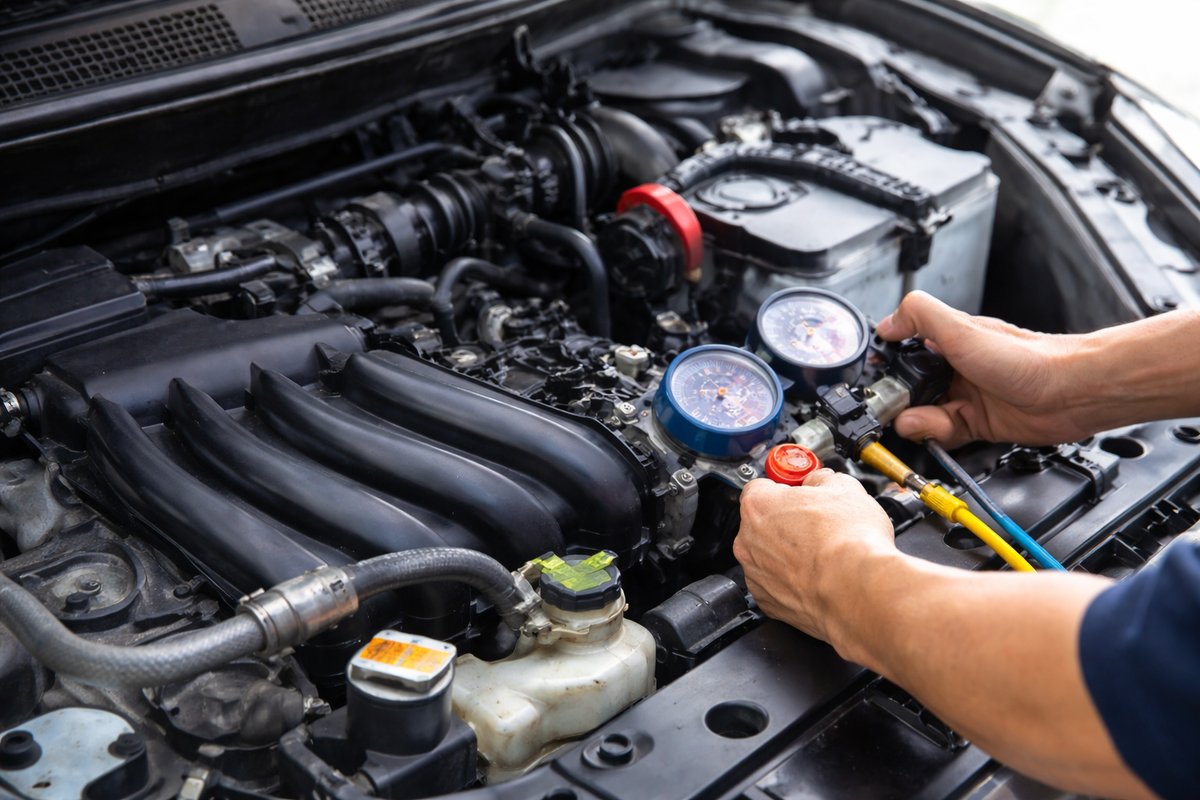
Start with these basics at a workshop:
- refrigerant level and pressure test
- leak check (UV dye or electronic leak detection)
- condenser condition (blocked, bent fins, poor airflow)
- clutch engagement and electrical power
- cabin filter and blower performance
This matters because if you install a new or used compressor into a system that still has a leak or contamination, you risk damaging the replacement.
AC compressor replacement cost in UAE (with model examples)
Prices depend heavily on the model, engine, and whether you choose new, aftermarket, or used.
Below are realistic ranges you’ll commonly see in the UAE market. These are not fixed prices — think of them as typical “shopping ranges” to set expectations.
Popular sedans (daily UAE cars)
For Toyota Camry (2012–2017) and Nissan Altima (2013–2018), AC compressor pricing is often:
- used: roughly 450–900 AED
- aftermarket: roughly 900–1,800 AED
- new original: roughly 1,800–3,200 AED
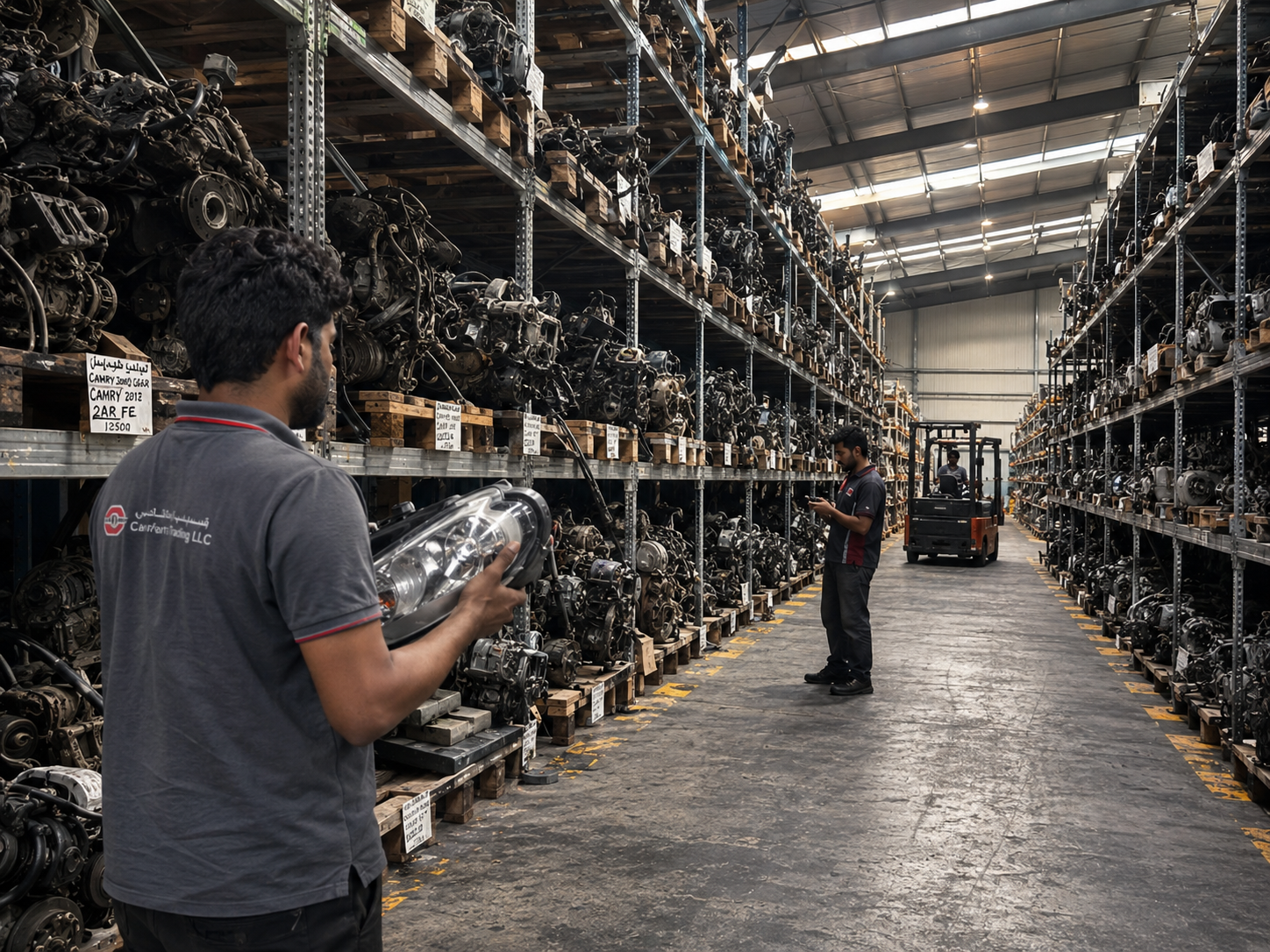
These models are widely available in dismantling stock, which makes used options more common.
SUVs that run hot and work hard
For Nissan Patrol Y62, Toyota Land Cruiser, and similar large SUVs, compressors are usually more expensive due to load and part pricing:
- used: roughly 800–1,600 AED
- aftermarket: roughly 1,500–3,000 AED
- new original: roughly 3,000–5,500+ AED (depending on variant)
German cars (more variation, higher parts cost)
For models like Mercedes E-Class or BMW 5 Series, compressor prices vary a lot depending on engine and system type:
- used: roughly 900–2,000 AED
- aftermarket: roughly 1,800–4,000 AED
- new original: can go 4,000–7,000+ AED
On these, compatibility checks matter more (part numbers and system specs).
Used vs new AC compressor: what makes sense in UAE?
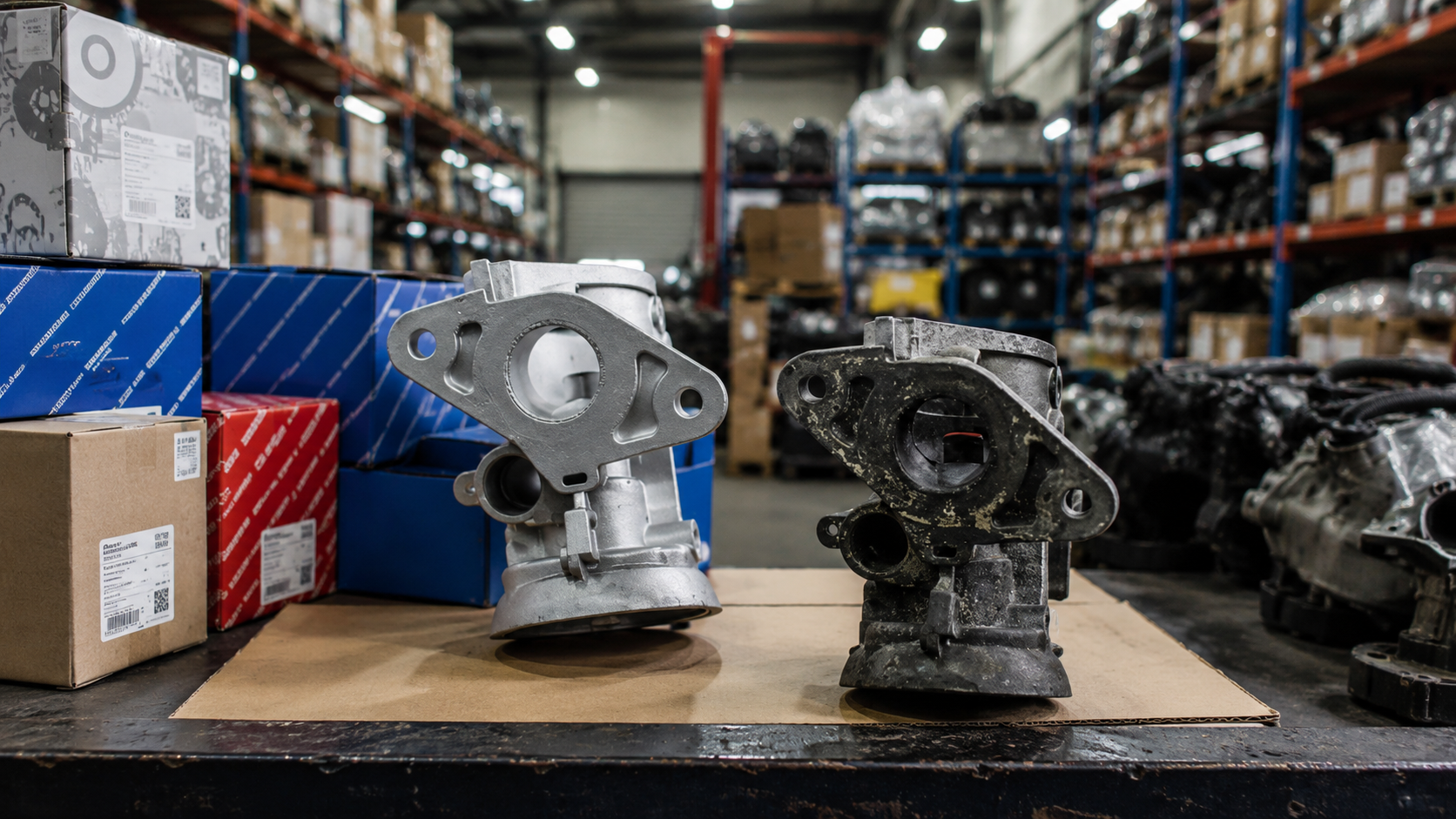
If your car is older, a used compressor can be a smart choice, especially if you buy from a supplier who can confirm compatibility and allow inspection. Many UAE drivers choose used compressors for common models because the price difference is big and availability is strong.
New compressors make more sense when the car is newer, the system is sensitive, or you want maximum peace of mind for long-term use. But even then, the bigger “win” is installing it into a clean, leak-free system.
How to reduce future AC failures in UAE
You don’t need complicated routines. Just a few habits help a lot.
Service the AC system at least once a year, especially before peak summer. Keep the cabin filter clean. If you notice cooling getting weaker, fix leaks early instead of repeatedly topping up refrigerant. And run the AC periodically even during cooler months — it helps keep seals lubricated.
Final note
In the UAE, an AC problem becomes urgent fast. If your car AC isn’t cooling properly, don’t guess. Get a quick check of pressure, leaks, and clutch operation first. If the compressor is the real cause, you can choose the right replacement path — used or new — based on your model and budget.
FAQ – AC Compressor UAE
How do I know if the AC compressor is bad?
Warm air, weak cooling, or noise when the AC starts are common signs, but a quick diagnostic is needed to confirm it’s not another issue.
Can I drive with a faulty compressor?
Yes, but if it starts making noise or is close to seizing, it can damage the belt system and lead to bigger repairs.
Is a used compressor worth it in UAE?
Yes, for most common models it’s a cost-effective option, as long as you buy from a reliable supplier and install it in a clean system.
How much does AC compressor replacement cost in UAE?
Prices usually range between 450 and 5,500+ AED depending on the car and whether you choose a used, aftermarket, or new part.
What causes AC compressor failure most often?
Low refrigerant due to leaks and high operating temperatures are the main causes, both reducing lubrication and increasing wear.
How often should I service my car AC in UAE?
At least once a year, ideally before summer, to check pressure, refrigerant level, and overall system condition.